
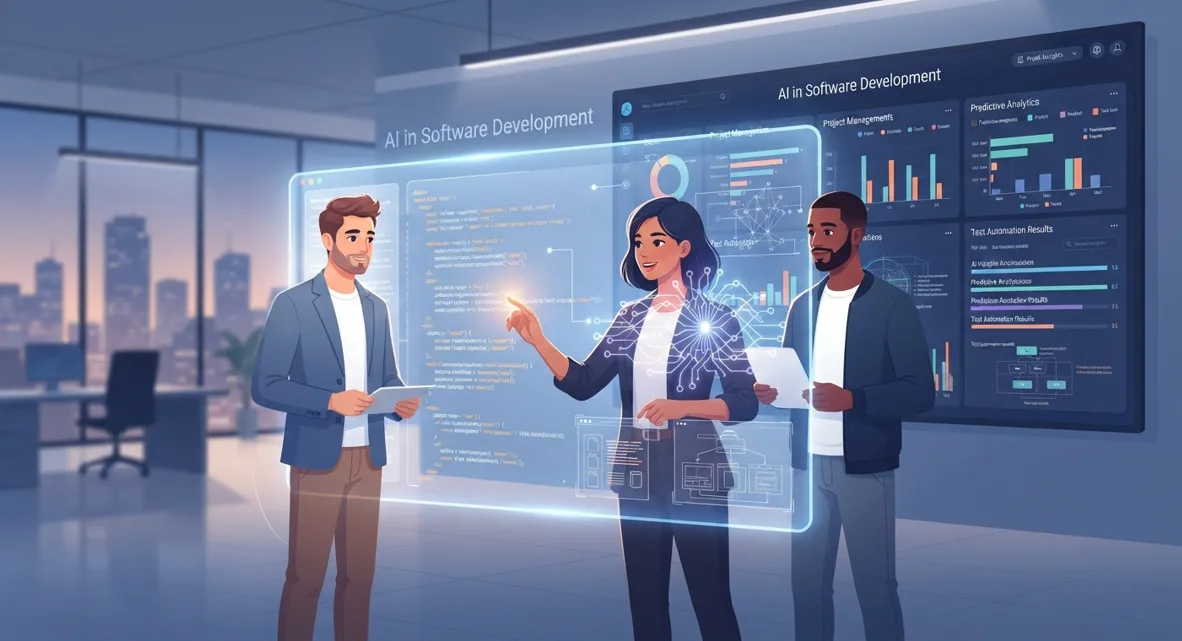
Artificial Intelligence (AI) has moved beyond science fiction and into the very fabric of our daily lives. In the software development industry, it's not just changing the workflow it's redefining it. Far from replacing human ingenuity, AI is acting as a powerful catalyst, enhancing productivity, improving code quality, and fundamentally altering the role of the developer.
Let’s explore how AI is reshaping the landscape of coding.
1. Coding Assistants and Intelligent Code Completion
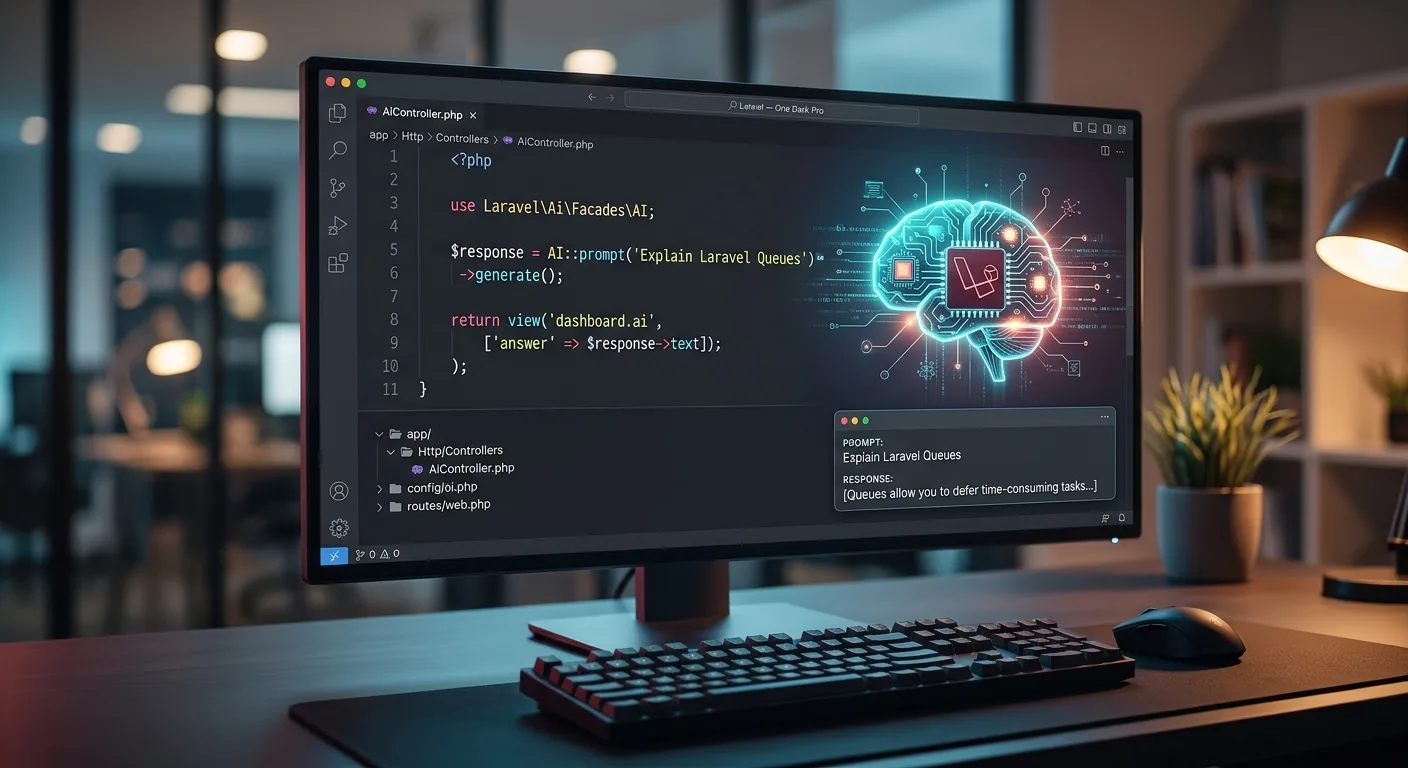
The days of staring at a blank screen struggling with syntax are fading. AI-powered coding assistants, such as GitHub Copilot, Tabnine, and Amazon CodeWhisperer, have become indispensable tools for modern developers.
These tools analyze the context of your code and suggest entire lines, functions, or even complex algorithms in real time. It’s like having an expert pair programmer looking over your shoulder 24/7. This drastically reduces the time spent on boilerplate code and allows developers to focus on higher-level logic and problem solving.
2. Automated Testing and Debugging
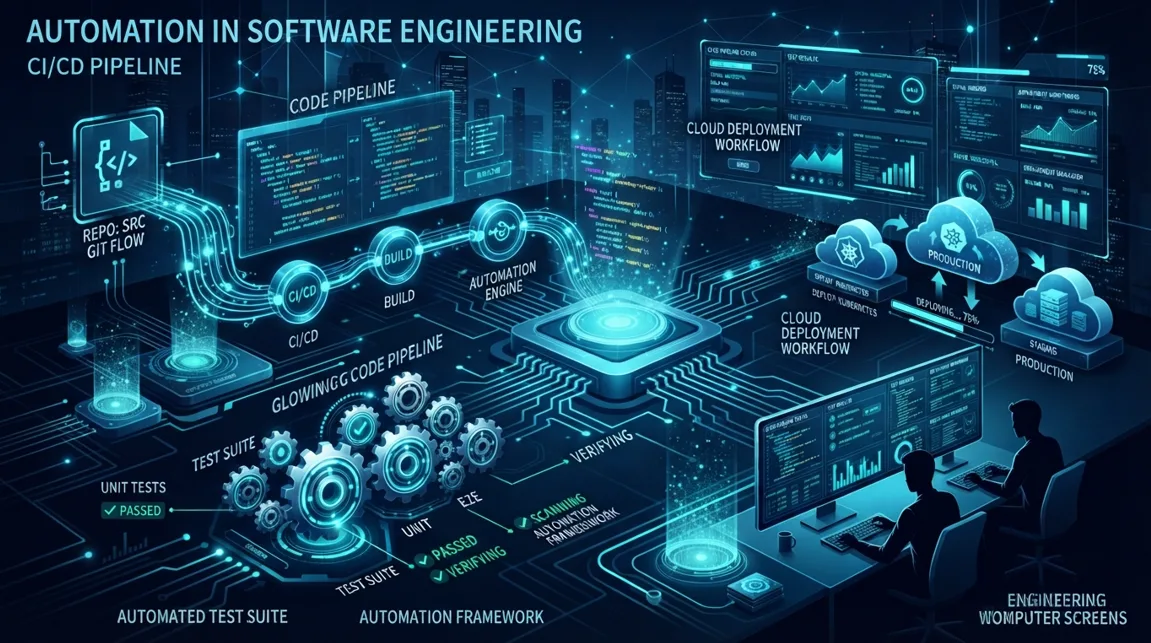
Finding and fixing bugs has traditionally been one of the most time-consuming aspects of development. AI is revolutionizing this process through intelligent automation.
AI-driven testing platforms can automatically generate, execute, and maintain test cases. These systems can "learn" the application's behavior and predict where bugs are likely to occur, often identifying subtle issues that human testers might miss.
Furthermore, AI debugging tools can analyze stack traces, logs, and code patterns to pinpoint the root cause of a failure, significantly reducing the mean-time-to-resolution (MTTR).
3. Proactive Code Refactoring and Security
Maintaining code quality over time is challenging. AI tools can now act as guardians of codebase health by performing proactive code refactoring. They can analyze existing code for inefficiencies, "code smells," and maintainability issues, and then suggest improvements.
Additionally, AI plays a crucial role in DevSecOps. By scanning codebases for common vulnerabilities (like SQL injection or cross-site scripting) during the development phase, AI helps integrate security earlier in the pipeline, leading to more secure software from the ground up.
4. AI-Powered Project Management
Beyond the code itself, AI is enhancing the management of software projects. By analyzing historical data from platforms like Jira or Trello, AI can predict project timelines with greater accuracy, identify potential bottlenecks before they occur, and even suggest optimal team compositions for specific tasks.
This allows project managers and team leads to make data-driven decisions, keeping projects on track and within budget.
The Evolving Role of the Developer
With AI handling repetitive tasks, debugging, and boilerplate code, the role of the software developer is evolving.
Developers are becoming less "coders" and more "architects" and "problem solvers." The focus is shifting towards understanding business requirements, designing robust system architectures, and verifying that the AI-generated solutions correctly meet the end-user needs.
The ability to effectively collaborate with and leverage AI tools is becoming a critical skill for modern developers.
Conclusion
AI in software development is not a passing trend; it is a fundamental shift in how we build technology. By embracing AI, development teams can unlock unprecedented levels of productivity, creativity, and quality.
The future of software development is a partnership between human intelligence and artificial capability and it's an exciting future to be a part of.

Comments (0)
Sign in to join the conversation.
No comments yet. Be the first to share your thoughts.